Raw sushi is one of the most popular dishes in American dining, yet many guests still ask the same question before ordering: is it actually safe? The short answer from federal health agencies is that cooked seafood is always the safest choice, but raw fish can be eaten with lower risk when it is handled, frozen, and prepared according to established food safety standards. Here is what published government guidance and recent industry research say.
What the FDA Says About Eating Raw Fish
According to the U.S. Food and Drug Administration (FDA), cooking seafood to an internal temperature of 145°F (63°C) is the most reliable way to reduce foodborne illness. If you choose to eat raw fish anyway, the FDA advises choosing fish that has been previously frozen, because freezing can kill parasites that may be present in some species. The agency also notes that freezing does not eliminate all harmful bacteria, which is why thorough cooking remains the safest option.
These recommendations appear in the FDA consumer guide “Selecting and Serving Fresh and Frozen Seafood Safely.” The FDA’s broader seafood regulatory framework, including the fourth edition of the Fish and Fishery Products Hazards and Controls Guidance, was updated with content current as of February 18, 2026.
Who Should Avoid Raw Sushi
Some people face higher risk from foodborne illness and should avoid raw or undercooked seafood entirely. The FDA lists these groups as especially vulnerable:
- Pregnant women and those who may become pregnant
- Breastfeeding mothers
- Young children
- Older adults
- People with weakened immune systems, including transplant patients and individuals with HIV/AIDS, cancer, or diabetes
The FDA and EPA jointly state that pregnant and breastfeeding women should eat only cooked fish, meat, poultry, and eggs to protect against microbes that raw foods can carry. This guidance is reinforced in the FDA’s Questions & Answers on fish consumption, which references the Dietary Guidelines for Americans. FoodSafety.gov, updated March 14, 2025, similarly recommends that pregnant women avoid sushi, sashimi, raw oysters, and ceviche.
If you fall into any of these groups, cooked rolls, tempura items, and fully heated seafood are better choices. At Blue Fin Sushi & Roll, our menu includes plenty of cooked options for guests who prefer not to eat raw fish.
Mercury and Fish Choices During Pregnancy
Raw fish safety is not only about bacteria and parasites. Mercury exposure is another concern, especially for developing brains and nervous systems. In October 2021, the FDA and EPA issued updated advice on eating fish based on methylmercury levels. The agencies recommend that women who are pregnant or breastfeeding eat 8 to 12 ounces per week of lower-mercury fish, while avoiding high-mercury species such as king mackerel, marlin, orange roughy, shark, swordfish, tilefish from the Gulf of Mexico, and bigeye tuna.
Common sushi fish like salmon and most tuna grades served in restaurants fall outside that high-mercury list, but pregnant guests should still choose fully cooked preparations rather than raw nigiri or sashimi, per federal guidance.
Why Sushi Keeps Growing in Places Like Las Vegas
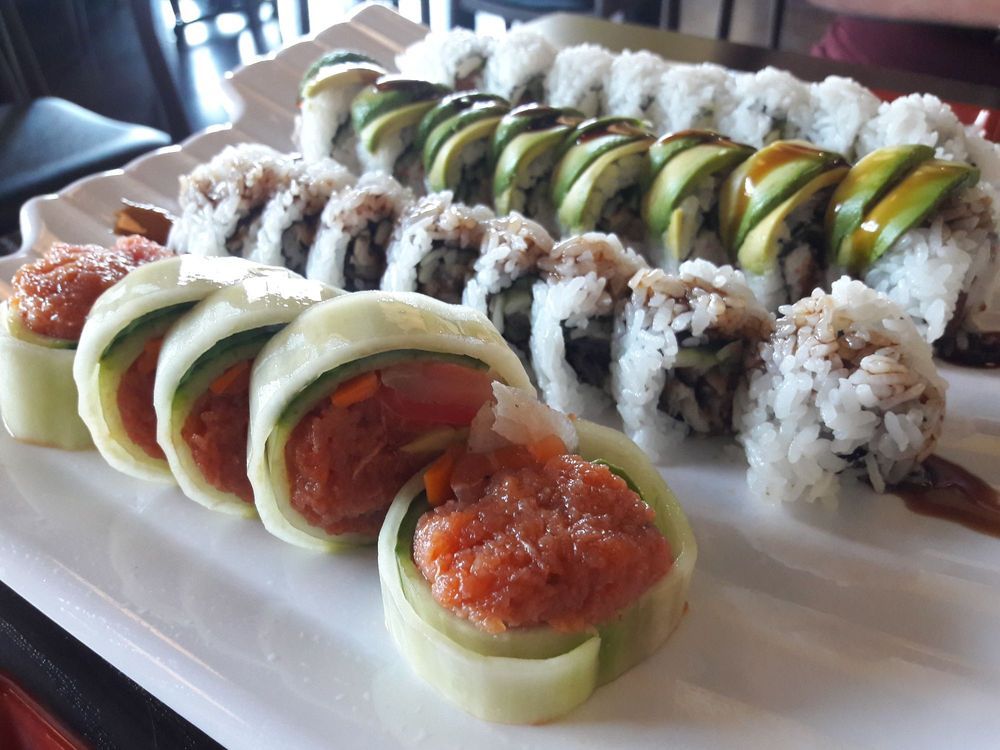
Consumer demand for sushi has expanded well beyond coastal cities. A landmark U.S. Sushi Industry Report released by the National Fisheries Institute (NFI) Sushi Council on April 6, 2026 valued the national sushi market at approximately $22 billion, with about $16 billion coming from restaurant sales. The report, covered by Perishable News, found that inland states are now among the fastest-growing regions for sushi as more diners seek convenient, protein-rich meals with global flavors.
Las Vegas fits that trend. More local restaurants now serve sushi alongside traditional casino dining, and grocery kiosks have added grab-and-go options nationwide. The NFI report notes that Gen Z and millennial consumers are driving much of this growth, attracted by sushi’s perceived health benefits and variety.
What Responsible Sushi Restaurants Do
Reputable sushi kitchens follow handling practices aligned with FDA seafood guidance. That typically includes:
- Receiving fish from licensed suppliers who meet federal seafood safety standards
- Storing raw fish at proper refrigeration temperatures (40°F or below)
- Using separate prep areas and utensils to prevent cross-contamination between raw and cooked items
- Freezing certain fish species before serving raw, as recommended for parasite control
- Discarding seafood that shows off odors or signs of spoilage
These steps do not remove every risk for at-risk diners, but they are the industry standard for serving raw fish to the general public. When you dine at a sit-down sushi restaurant rather than buying unrefrigerated takeout that sat in a hot car, you also reduce the time-temperature problems the FDA warns about for perishable seafood.
Practical Tips for Dining at Blue Fin
Most healthy adults enjoy raw sushi without issue when it is prepared fresh and eaten promptly. A few simple habits can help:
- Ask about cooked options if anyone in your group prefers not to eat raw fish. California rolls, tempura rolls, and grilled items are easy starting points.
- Eat sushi soon after it is served. The FDA warns against leaving perishable seafood at room temperature for more than two hours, or more than one hour when outdoor temperatures exceed 90°F.
- Choose dine-in or prompt pickup. Hot items like tempura are best eaten immediately. For online orders, pick up your food as soon as it is ready.
- Skip raw fish if you are pregnant, immunocompromised, or ordering for young children. Federal agencies are clear on this point.
Still deciding what to try? Our earlier guide on what to order on your first visit covers popular rolls and combos at our East Sunset Road location.
Sources and Publication Dates
This article summarizes publicly available guidance from federal agencies and industry research. Key references include:
- FDA, “Selecting and Serving Fresh and Frozen Seafood Safely” — consumer guidance on raw fish, freezing, and safe handling
- FDA, Fish and Fishery Products Hazards and Controls Guidance (4th edition) — content current as of February 18, 2026
- FDA and EPA, updated fish consumption advice on mercury — issued October 2021
- FoodSafety.gov, “People at Risk: Pregnant Women” — updated March 14, 2025
- NFI Sushi Council, U.S. Sushi Industry Report — released April 6, 2026 (reported by Perishable News)
Blue Fin Sushi & Roll is located at 3980 E Sunset Rd, Ste 102, Las Vegas, NV 89120. Questions about our menu or large orders? Call (702) 898-0090 or visit our contact page.